
Seneca
He is already here

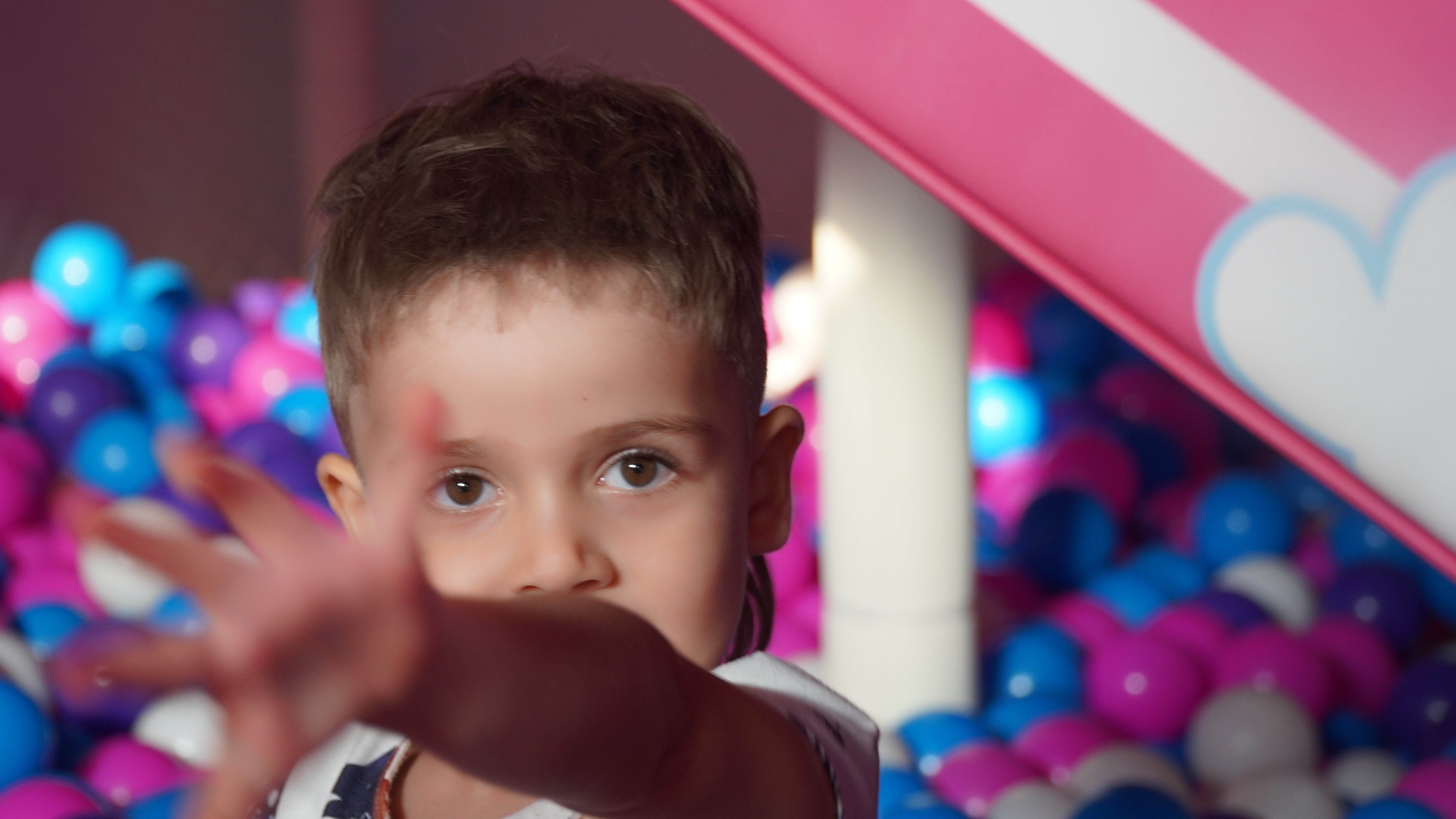
My son is four years old. He sees a bigger kid going across an obstacle at the playground. There is a sign. Children are supposed to wear a helmet and a harness to do this one. The bigger kid has both.
My son does not notice, or does not care. He gets on.
He falls. Hard. Head first, on the left side of his jaw.
He does not cry immediately. He holds it in. He walks to me, gets into my arms, and then he lets the tears come. He is in a lot of pain. He is a little dazed. Then he vomits.
Vomiting after a head fall is not a good sign. I hold him and I watch him. I wait.
He calms down. The color comes back. He looks at me. Then he looks at the obstacle.
He goes back. He asks a staff member for help. The staff member shows him. He puts on the helmet. He puts on the harness. He does the obstacle again.
I watch this happen and I don’t know what to say.
Some children would not go back. This is not weakness. It is a different kind of knowing. Some people carry the fall with them into the next moment. Some people put it down and move. I have wondered for a long time what makes the difference. I do not have an answer. I am not sure anyone does.
I have been studying Stoicism and Buddhism for years. Not as a student. As someone looking for tools to live with.
Buddhism teaches impermanence. That all things pass, including pain, including fear. That the fall happened and is over, and the next moment is also real. The child does not carry the fall into the next moment. He is already here.
Stoicism says something else, or maybe the same thing from a different direction. Lucius Annaeus Seneca, the philosopher, first century, born in Córdoba, wrote in his letters: “It is not because things are difficult that we do not dare. It is because we do not dare that things are difficult.”
I named my son after him.
I did not know, when I chose the name, that my son would show me what the sentence means.
I have gotten back up many times. I know how to do it. But I carry the thing while I do it. I keep a record somewhere inside. My son did not seem to keep a record. He fell, he cried, and then he looked at the obstacle and that was the only thing.
I think children live closer to impermanence than adults do. Not because they understand it. Because they have not yet learned to hold on. Nobody has told them yet that the fall is part of their story. So it does not become part of their story. It just happened. It is already behind them.
Somewhere between childhood and adulthood, we start collecting our falls. We build a record. We say: I am someone who has been hurt here, and here, and here. The record becomes part of who we are. Sometimes it protects us. Sometimes it weighs more than it should.
There is something in this I am still trying to understand.
I do not think resilience is one thing. I think it lives differently in each person and comes from places we cannot always see. Maybe it is something you are born with. Maybe it grows slowly from the things that happen to you. Maybe both.
What I know is that my son put on a helmet and went back to the thing that hurt him. He did not need anyone to explain to him why. He had already decided.
I named him after a Stoic philosopher. I think he is going to teach me more than I will teach him.